Understanding Hair Changes in Menopause
Many women notice that their hair feels different as they enter their 40s and 50s. It may seem finer, less full, or drier than it once was. These changes are common, but not random — they reflect powerful shifts taking place within the body during the menopause transition.
The Hormonal Connection
Oestrogen and progesterone both support hair growth and quality. They keep follicles active for longer and balance the effects of androgens (the hormones that can cause follicles to shrink). As oestrogen levels drop, the growth phase of hair shortens, leading to slower regrowth and reduced density. You may also notice that your scalp feels drier or your hair more brittle. This is because oil (sebum) production naturally decreases with lower oestrogen, changing the way hair behaves and how much moisture it retains.
Why These Changes Happen
Menopause affects more than just the hair follicle. It influences the scalp’s collagen structure, circulation, and nutrient delivery. As oestrogen declines, blood flow to the follicle can decrease, and collagen — which supports the scalp’s firmness and elasticity — begins to diminish. This combination can make hair more fragile and less responsive to the same products or styling techniques that once worked well.
How to Support Your Hair During Menopause
While we can’t stop hormonal change, we can help the body adapt and strengthen the scalp environment that supports healthy growth.
> Feed your follicles
Hair is made of protein, and midlife women often need more than they realise. Include good-quality protein with every meal — eggs, fish, lean meat, tofu, lentils, or Greek yoghurt. Adequate iron, zinc, vitamin D, and B-vitamins (especially biotin and B12) also play a vital role in hair strength and regrowth.
> Keep inflammation low
A colourful, antioxidant-rich diet with plenty of plants, healthy fats, and hydration helps counter the low-grade inflammation that can accelerate follicle ageing. Keep alcohol consumption and processed foods to a bare minimum.
> Manage stress and rest well
High cortisol levels (your stress hormone) can disrupt hair growth cycles, while restorative sleep supports regeneration and repair — for your skin, hair, and mind.
> Treat your scalp like skin.
As collagen and oil levels change, the scalp benefits from the same care you give your face. Regular exfoliation, targeted serums, and clinic treatments can help maintain circulation and balance.
When to Ask for Help
If you’re noticing shedding that lasts several months, or if your part-line is widening, it’s worth speaking to a professional. A proper scalp assessment can determine whether the change is hormonal, nutritional, or linked to other factors such as stress or medication.
The Grow Hair Care team specialises in understanding scalp health and helping women restore confidence through targeted, evidence-based treatments. Their approach focuses on strengthening both scalp and strand, ensuring that your hair remains vibrant and resilient throughout this life stage and beyond.
About the Writer
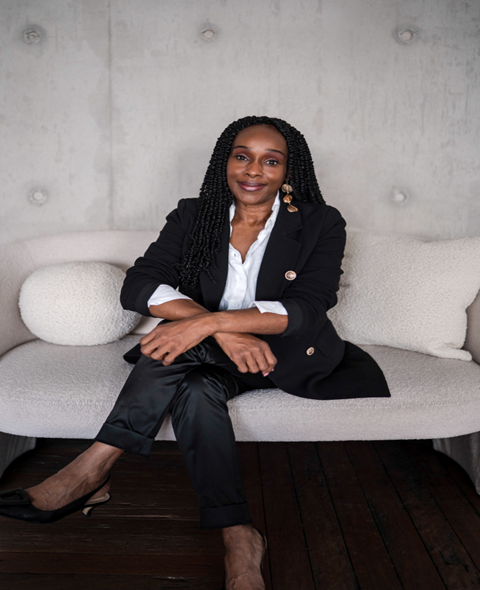
Chiza Westcarr is a University-qualified Nutritionist, Dermal Clinician, Educator, and Menopause Coach with more than two decades of experience in the medical aesthetics and wellness industries. She lectures nationally and internationally on the intersection between gut health, skin health, and midlife wellbeing. Chiza is currently undertaking a PhD, exploring the impact of personalised nutrition, exercise, and health coaching on cardiometabolic health in postmenopausal women.
Florabiome by Chiza Westcarr is a range of Practitioner-only, premium products and is the brainchild of Chiza Westcarr, a Nutritional Medicine Practitioner and Skin Expert. More information can be found here: https://www.flora-biome.com/